
A case arrives while you are busy. You put it away and add twelve bottles from the confirmation email. Weeks later, you discover that two were a different vintage and one was missing. A short check at delivery keeps the order, the shelf and the inventory from becoming three different lists.
Keep the order open while you unpack
Use the invoice or order confirmation as a checklist. Match each line to the bottles in front of you. A correct producer name is only part of the check: a different cuvée, vintage or bottle size is a different item.
- Wine: producer and the named wine or cuvée.
- Vintage: the year on the bottle, or non-vintage if that is what was ordered.
- Size: the volume printed on the label.
- Quantity: the number of physical bottles received.
- Visible condition: leaks, broken glass, wet packaging or damaged labels.
If packaging contains broken glass, stop handling it as a normal delivery. Keep people away from it and contact the seller for handling instructions. For a wrong item or shortage, photograph the labels, contents and delivery label before discarding packaging.
Enter the delivery, not the order
An order for twelve bottles is not twelve bottles in your cellar until twelve have arrived. Keep outstanding items in an order note or separate pending list. Otherwise, a search may offer you wine that is still with the merchant.
For example, you ordered six 2021 reds and six 2023 whites. The box contains all six reds, four whites and two spaces. Add six reds and four whites to stock. Note two whites outstanding against the order number. When replacements arrive, add those two once. Do not import the whole order again.
If the seller sends a different vintage, record what the label says while you resolve the substitution. Keep bottles awaiting return in a named place, such as "Delivery query", so they do not get mixed into wine available for dinner.
Check whether you already have the same wine
Search the existing inventory before creating a new entry. Match producer, wine, vintage and size. Different purchase dates alone do not require different wine names, but keep the receipts or purchase notes if you want to distinguish the deliveries later.
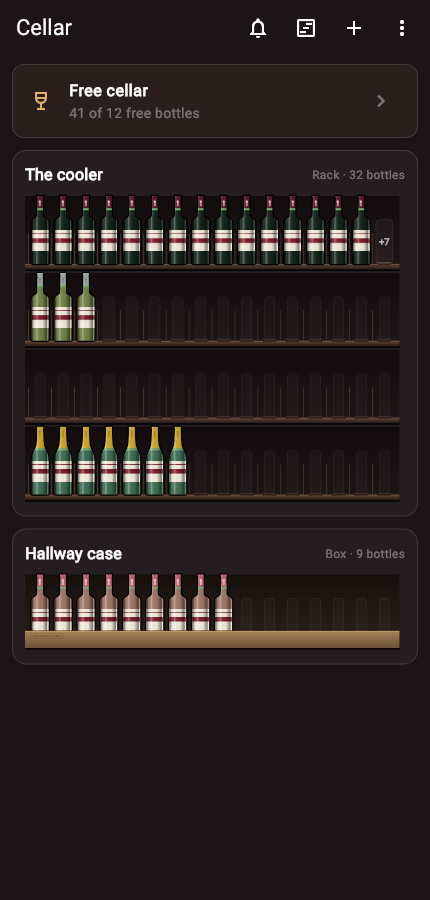
If an existing record holds three bottles and the new delivery adds six, the new total is nine. If you split the delivery between a rack and its case, record both locations. Do not put nine in the rack just because it was the original location.
Use the label photo as a check, not a shortcut past it
Photograph a representative bottle from each matching group. Check any scanned text against the label before saving it. A large year on the front can refer to something other than the vintage, and similar labels can belong to different wines. The label-scanning guide explains which details to verify.
Leave uncertain fields blank or mark them for review. Guessing a grape or region adds work later and does not help you find the bottle today.
Finish with a shelf check
Before closing the order, count the bottles you added and compare that number with the receiving checklist. Confirm their rack, row or case. Save the receipt and keep any unresolved shortage visible until the seller resolves it.
The delivery is finished when the bottles received, the inventory increase and the assigned locations agree. If those numbers differ, use the count correction guide while the packaging is still nearby. For wine that has been paid for but has not shipped yet, the undelivered bottles guide covers where to keep it until it arrives.